Wellington Treads didn’t begin as a concept. It began as a street name.
For a long time, Wellington Street was just where I lived. It sat quietly in the background of daily life, written on envelopes, typed into delivery apps, repeated without thought. There was nothing particularly remarkable about it. It was simply there.
Only later did I begin to wonder what it meant to live on a name like that. Not just geographically, but historically. Why Wellington? Who chose it? And what, exactly, was being remembered each time it was spoken.
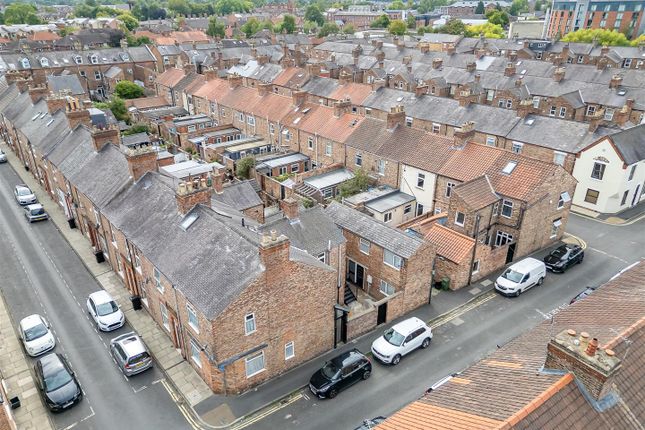
A residential street located just outside the medieval city walls, approximately 100 metres from Walmgate Bar.
Street names feel neutral. That is part of their design. They are meant to orient us, to help us move through space without friction. But they are rarely neutral in origin. Most are chosen deliberately, tied to figures, events, or ideas that once held significance. Over time, that significance becomes flattened. The name remains, but the meaning recedes.
Take Wilberforce Avenue, not far from York Hospital. It’s a student area, slightly rougher around the edges than the rest of the city. The name comes from William Wilberforce, the Yorkshire-born abolitionist. But do people living there think about that? Probably not. So why keep the name? What does it actually do now?
The same goes for Wellington. It’s not just a name. It comes from the Duke of Wellington, tied to British military history and empire. Streets like this exist all over the country, quietly repeating the same figures again and again. Not loudly. Not forcefully. Just in the background.
And yet, when you live on a street like that, you do not feel history pressing in on you. You feel ordinary life. Walking to the shops. Coming home late. Watching the seasons change from the same window. The name becomes background noise, even as it continues to signify something much larger. When I think of Wellington, I don’t think about military history. I think about being 21. About being young, and somehow even younger than that. Drinking too much, spending money I didn’t have, and sleeping on library floors at 4am.

Something is interesting in that gap between meaning and experience. We inherit place names before we understand them. When I moved to Wellington Street, I could never have anticipated how the name would continue to follow me long after my lease. This is where the psychology of place comes in. Names shape how we feel about where we are, even if we don’t realise it. They create a sense of familiarity and belonging, but also a kind of quiet acceptance. We don’t often question whose stories are being told, and whose are missing.
I don’t remember all my neighbours. I don’t remember every moment. But I do remember how bad the parking was, and how good the pizza place nearby was. Most of what I remember is how it felt, not what actually happened. If you start thinking about it, walking through a city feels slightly different. You notice patterns. Streets named after kings, industries, and landowners. Histories layered into everyday life, visible and ghostly at the same time. The ordinary starts to feel like a kind of time capsule.

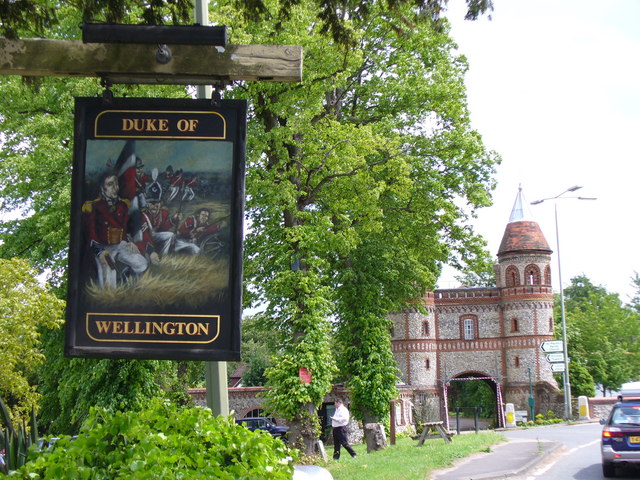
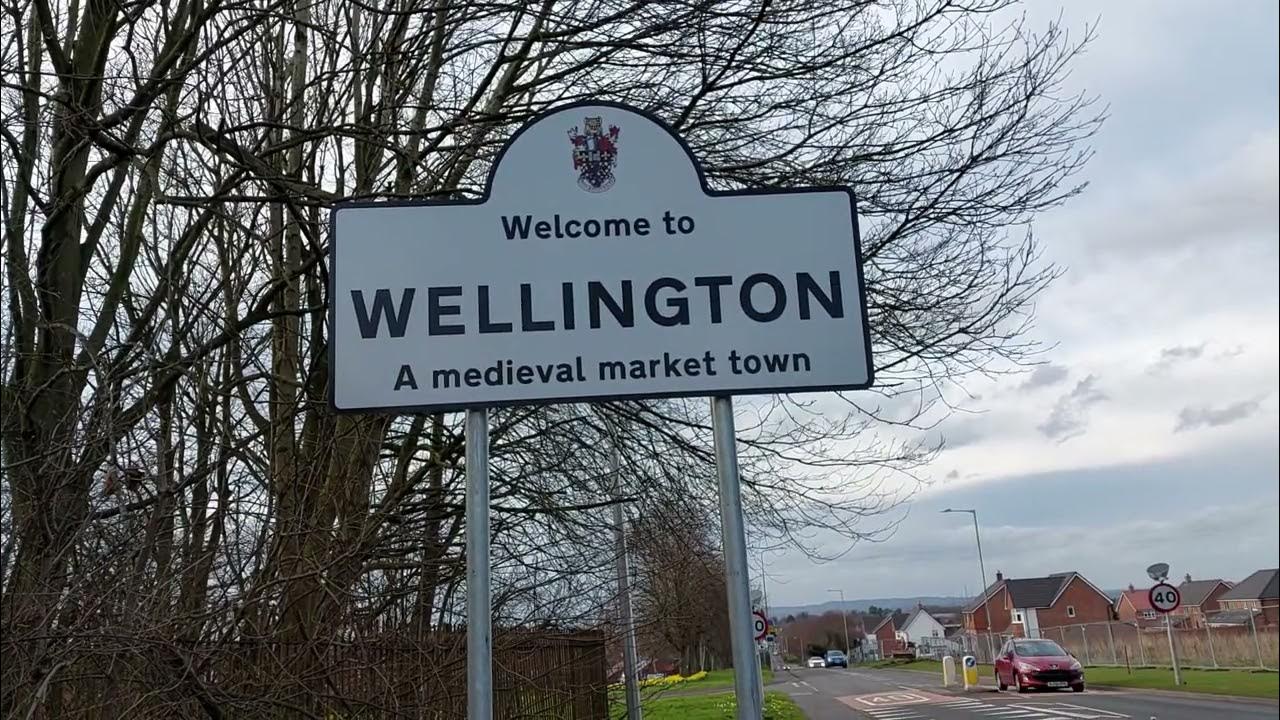
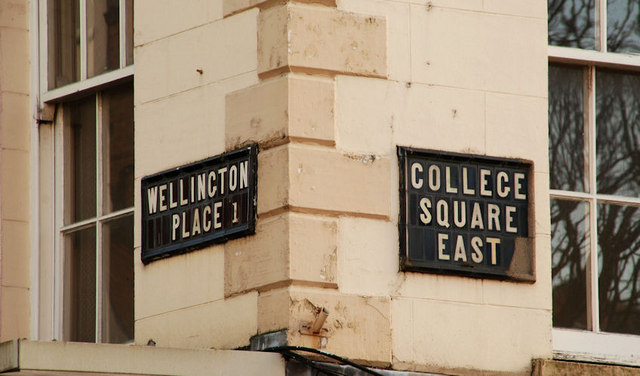
Wellington Treads feels different to me now because of that. What started as a familiar name is something I’ve come back to and thought about properly. Not something I’ve rejected, but something I’ve reshaped. It holds both the history behind it and the life I lived alongside it. It’s no longer just part of my past. It follows me more quietly. In this project, in conversation, in the way I think about place and memory.
Maybe that’s what place names do at their most powerful. They sit somewhere between past and present, holding both without fully settling into either. We walk over them every day without noticing, even as they continue to say something.