Football has a strange relationship with morality.
In most areas of life, certain behaviours produce fairly consistent emotional responses: admiration, disgust, contempt, sympathy. In football, however, those responses are constantly renegotiated.
A player condemned one week can be celebrated the next, not because the facts have changed, but because something else has temporarily taken priority over them. Talent, loyalty, usefulness, nostalgia, tribal attachment, and even the simple desire for the story to continue all compete with ethics for control over how players are remembered.
Football does not consistently forgive because it does not consistently evaluate morality.
That is what fascinates me about the sport. Footballers are not really forgiven at all. Instead, values are simply reordered. Moral discomfort is pushed aside rather than resolved. The result is a culture where the same behaviour can be treated as unforgivable or irrelevant depending on who commits it, how well they perform, and how emotionally invested supporters already are.
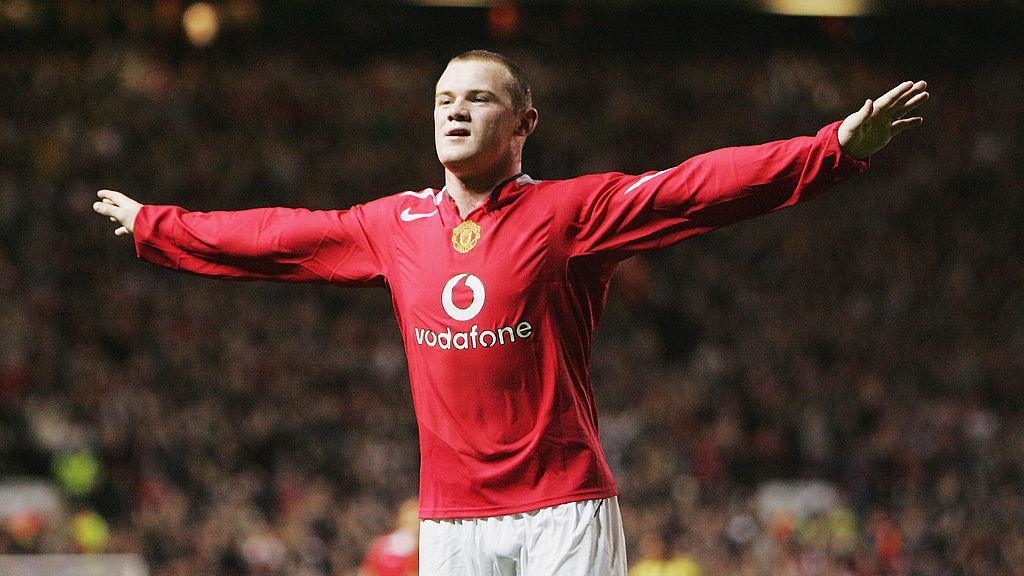
Fans who would condemn arrogance, violence, infidelity, gambling scandals, tax fraud, or reckless behaviour in ordinary life often become surprisingly flexible when a gifted winger scores twenty goals a season.
Talent creates amnesia. Winning accelerates forgiveness.
Tribal Memory
Part of this comes down to tribalism.
Football clubs function emotionally more like families, towns, or political identities than entertainment products. Once a player contributes to collective joy, supporters become invested in protecting the emotional meaning attached to them. Criticising the player can begin to feel, subconsciously, like damaging the memory itself.
 An Arsenal F.C. supporter is unlikely to react calmly if you start tearing apart Thierry Henry. The same applies almost anywhere in football. Try openly slating Sir Bobby Charlton in a pub full of older supporters, and you are unlikely to make many friends.
That emotional attachment matters because redemption in football often depends less on ethics than performance.
A footballer can rebuild public affection remarkably quickly through form. Score in a derby, kiss the badge, cry during an interview, drag a club through a difficult season, and narratives shift almost instantly. Suddenly, the player is “passionate,” or “immature but learning.”
Meanwhile, less talented players rarely receive the same generosity. Failure and morality become tangled together.
The Illusion of Intimacy
Modern football also suffers from a wider celebrity problem. Visibility is increasingly mistaken for intimacy.
Supporters speak about players as though they know them personally because football constantly invites emotional closeness. Weekly interviews, documentaries, podcasts, social media posts, dressing-room clips; fans begin constructing full personalities from fragments.
Players stop feeling like strangers and start feeling familiar.
That familiarity creates a kind of protective instinct. Fans begin giving players the benefit of the doubt because, emotionally speaking, they no longer feel distant. They feel like part of the club’s story. Part of the family, even.
But footballers are not really our friends, nor should they be treated as moral archetypes. They are highly visible strangers living under extraordinary financial and psychological conditions. That does not excuse genuinely harmful behaviour, but it does help explain why football discourse becomes so distorted. Ethical questions are often reduced to practical ones:
Will he still play Saturday?
Will this affect the dressing room?
Can we still get promoted?
Moral judgment becomes secondary to sporting usefulness.
Football media only intensifies this. The sport thrives on redemption arcs, comeback stories, and bad boys becoming mature leaders. Scandal is rarely allowed to remain morally static because football prefers drama to clarity.
The Romance of the Hardman
There is also a class dimension to all of this.
Football emerged largely from working-class culture, and supporters have often admired players who appear rough-edged, emotional, excessive, or imperfect. Respectability can feel artificial inside a sport built partly upon aggression, instinct, and tribal loyalty.
Roy Keane is probably one of the clearest examples of this. During his time at Manchester United F.C., Keane became famous for his intimidating presence, brutal honesty, and aggressive style of leadership. Across his career, he collected eleven red cards and built a reputation as one of football’s great hardmen.
Even Keane himself seems aware of the mythology surrounding him. One of the most famous examples came before a European Championship warm-up match between the Republic of Ireland national football team and the Belarus national football team, where he dismissed concerns over physicality by describing football as “a man’s game.”
Now, this is not an argument for vilifying Keane. That misses the point entirely. The interesting thing is how football romanticises certain kinds of behaviour when they are attached to charisma, leadership, or success.
In almost any ordinary workplace, behaviour like that would likely end with a meeting from HR at the very least. In football, however, it often becomes part of the legend.
There is a danger in that. Football sometimes confuses aggression with authenticity, or volatility with honesty, simply because those qualities fit the mythology supporters already want to believe in.
Nostalgia and the Modern Football ‘Villain’
Joey Barton represents a slightly different version of the same phenomenon.
Where Keane became mythologised as uncompromising, Barton has spent much of his post-football life presenting himself as “unfiltered.” In 2014, Barton described himself as a role model for disconnected young people precisely because he was not “squeaky clean.”
That image has followed him into retirement. Through his podcast, interviews, and online presence, Barton has cultivated an audience that sees him as a kind of nostalgic anti-modern football figure: blunt, chaotic, hyper-masculine, and hostile to polished media training.
For many supporters, that roughness feels refreshing.
And again, football culture proves remarkably willing to absorb controversy when it arrives wrapped in familiarity, nostalgia, or charisma. Barton’s supporters are often not defending every individual action or statement. What they are really defending is the emotional idea he represents.
That is what football repeatedly does. It transforms people into symbols first, and moral subjects second.
Why Football Keeps Forgiving
The central contradiction is that football encourages enormous emotional investment while simultaneously rewarding supporters for suspending ethical consistency.
We overlook because brilliance feels rare, and we reinterpret because memory is pleasurable.
Most honestly of all, supporters do not simply want good people.
They want heroes who help them win.
