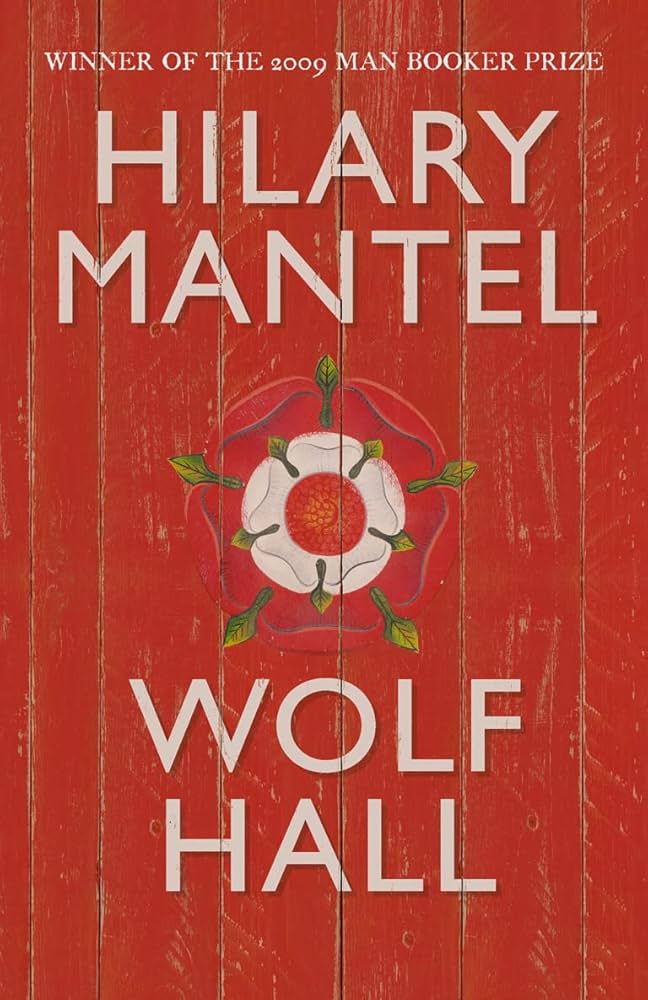
Wolf Hall
Wolf Hall, by Hilary Mantel, is a historical fiction novel that follows the rise of Thomas Cromwell in the court of King Henry VIII. It focuses on the period from 1500 to 1535. The story centres around Cromwell's complex relationship with Cardinal Wolsey and his instrumental role in Henry's quest to annul his marriage to Catherine of Aragon and marry Anne Boleyn.
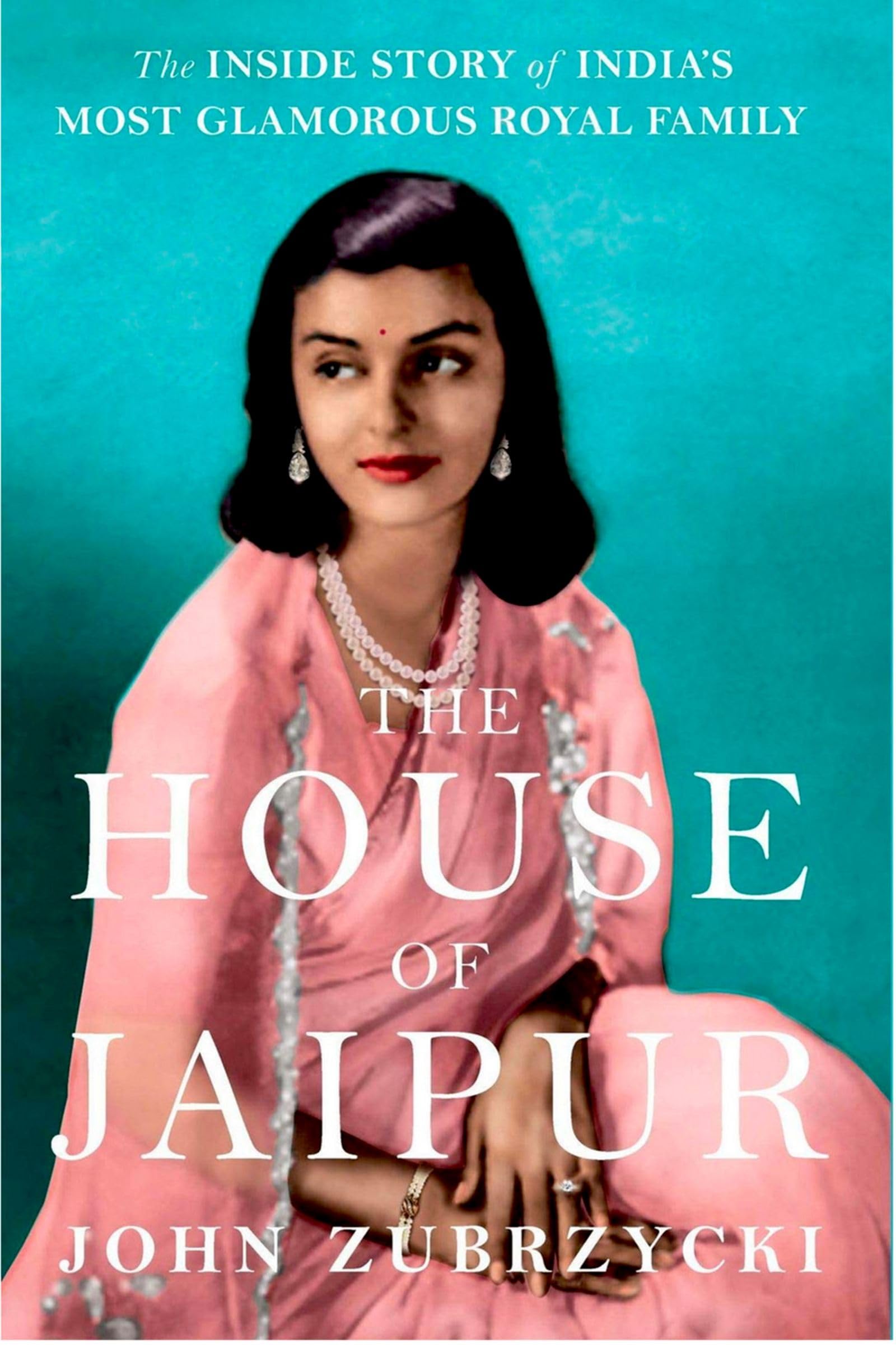
The House of Jaipur
The House of Jaipur, by John Zubrzycki, is a book that chronicles the history of the Jaipur royal family, from the era of the British Raj to the present day. It details their lives, both the glamorous and the tragic, as they navigated the changing political landscape of India and sought to maintain their relevance in a newly democratic nation.
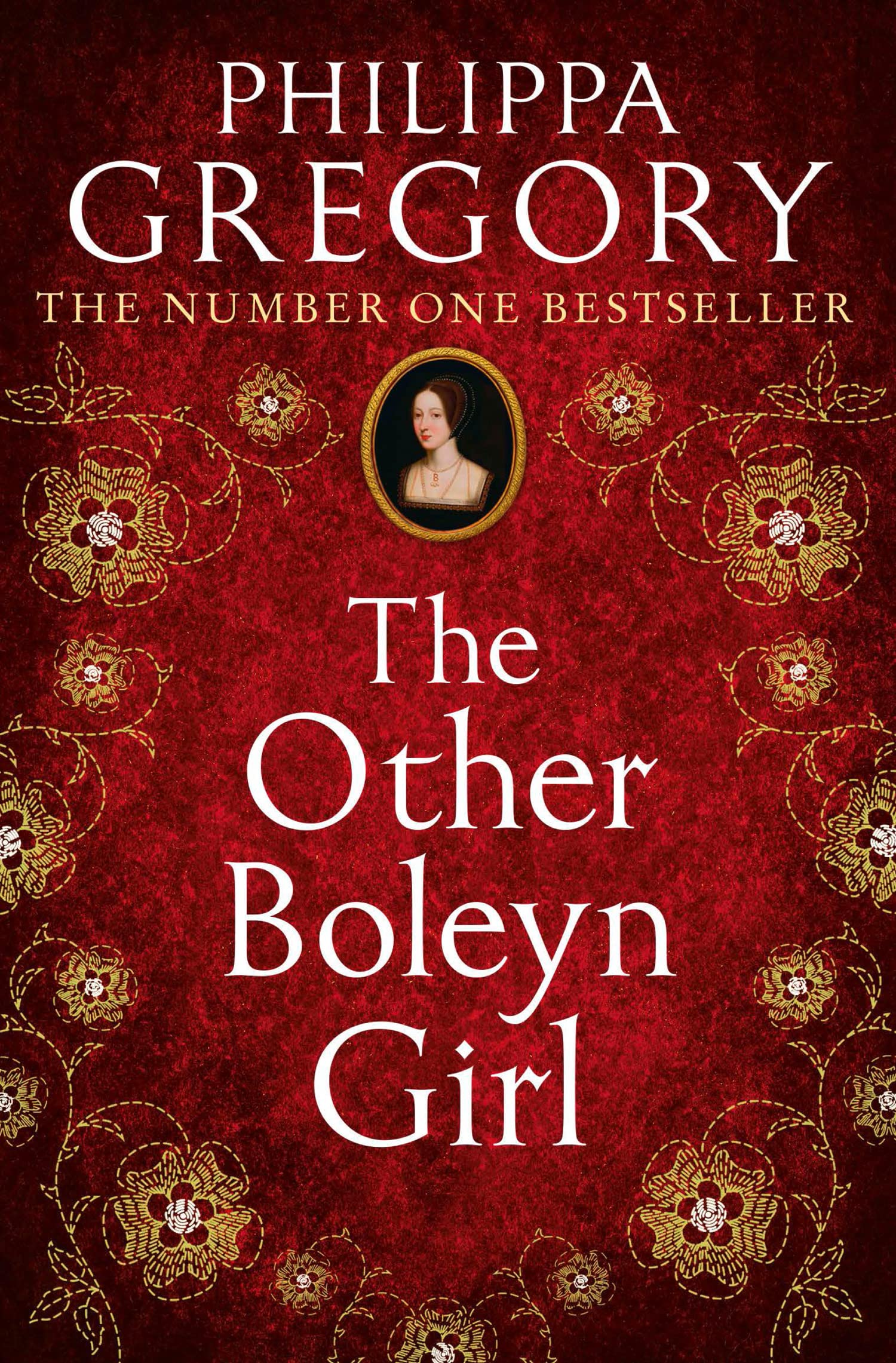
The Other Boleyn Girl
The Other Boleyn Girl, by Philippa Gregory, follows the intertwined lives of sisters Mary and Anne Boleyn during the Tudor period, as they navigate their relationship with King Henry VIII and the courtly intrigue surrounding them.
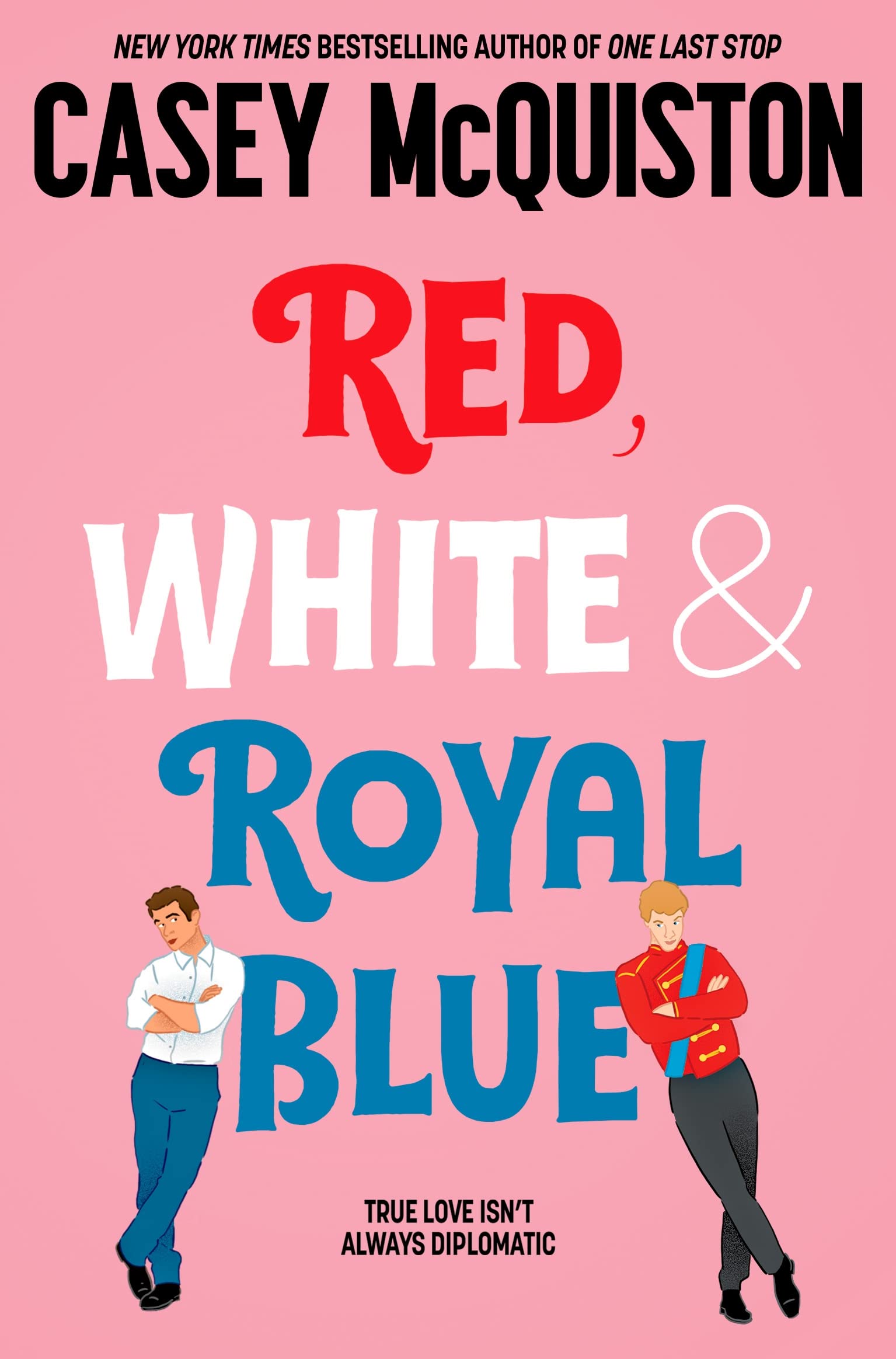
Red, White & Royal Blue
Red, White & Royal Blue is a romance novel by Casey McQuiston about the First Son of the United States, Alex Claremont-Diaz, and his secret relationship with Prince Henry, a British prince. Their rivalry turns into a fake friendship after a public incident, which then blossoms into a passionate romance that could jeopardise Alex's mother's re-election campaign and international relations.
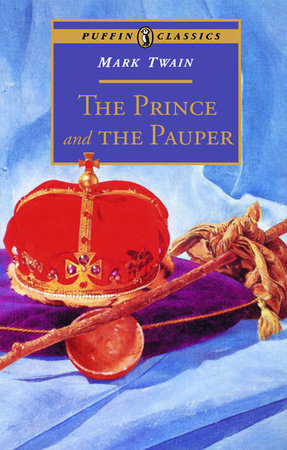
The Prince and The Pauper
The Prince and the Pauper, by Mark Twain, tells the story of Prince Edward Tudor and Tom Canty, two boys who look exactly alike, who switch places to experience the other's life. Set in 16th-century England, the story follows their adventures as Edward, disguised as a pauper, faces hardship and injustice, while Tom, as the prince, grapples with royal duties and courtly life.
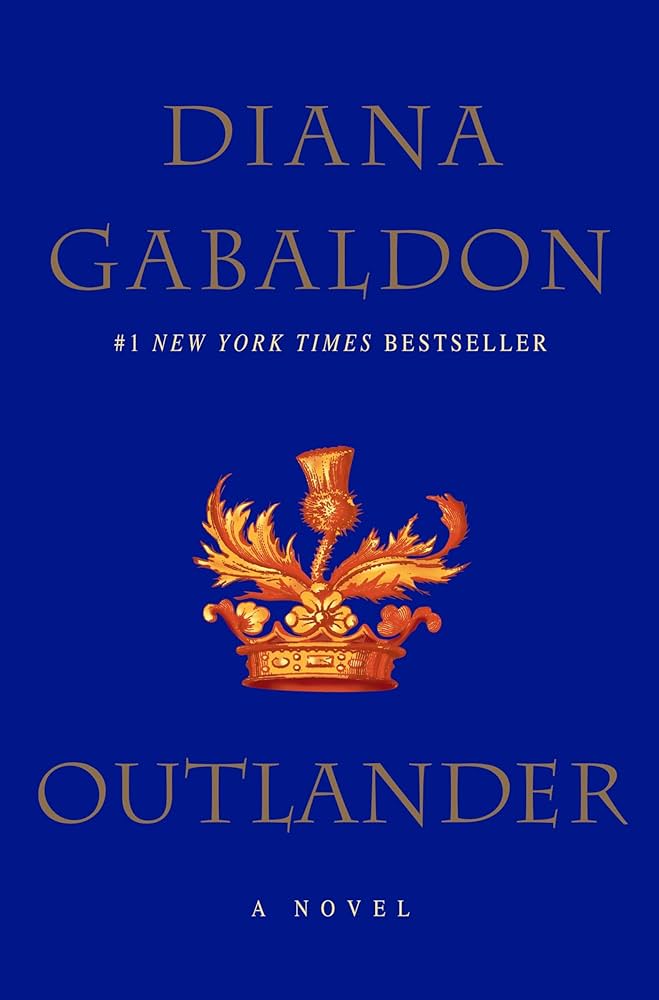
Outlander
Outlander, the first novel in Diana Gabaldon's series, follows Claire Randall, a World War II nurse who time travels from 1945 to 1743 Scotland. She becomes entangled with a dashing Highland warrior, Jamie Fraser, and finds herself caught between two worlds and two loves as she navigates the dangers of 18th-century Scotland, including the impending Jacobite rising.
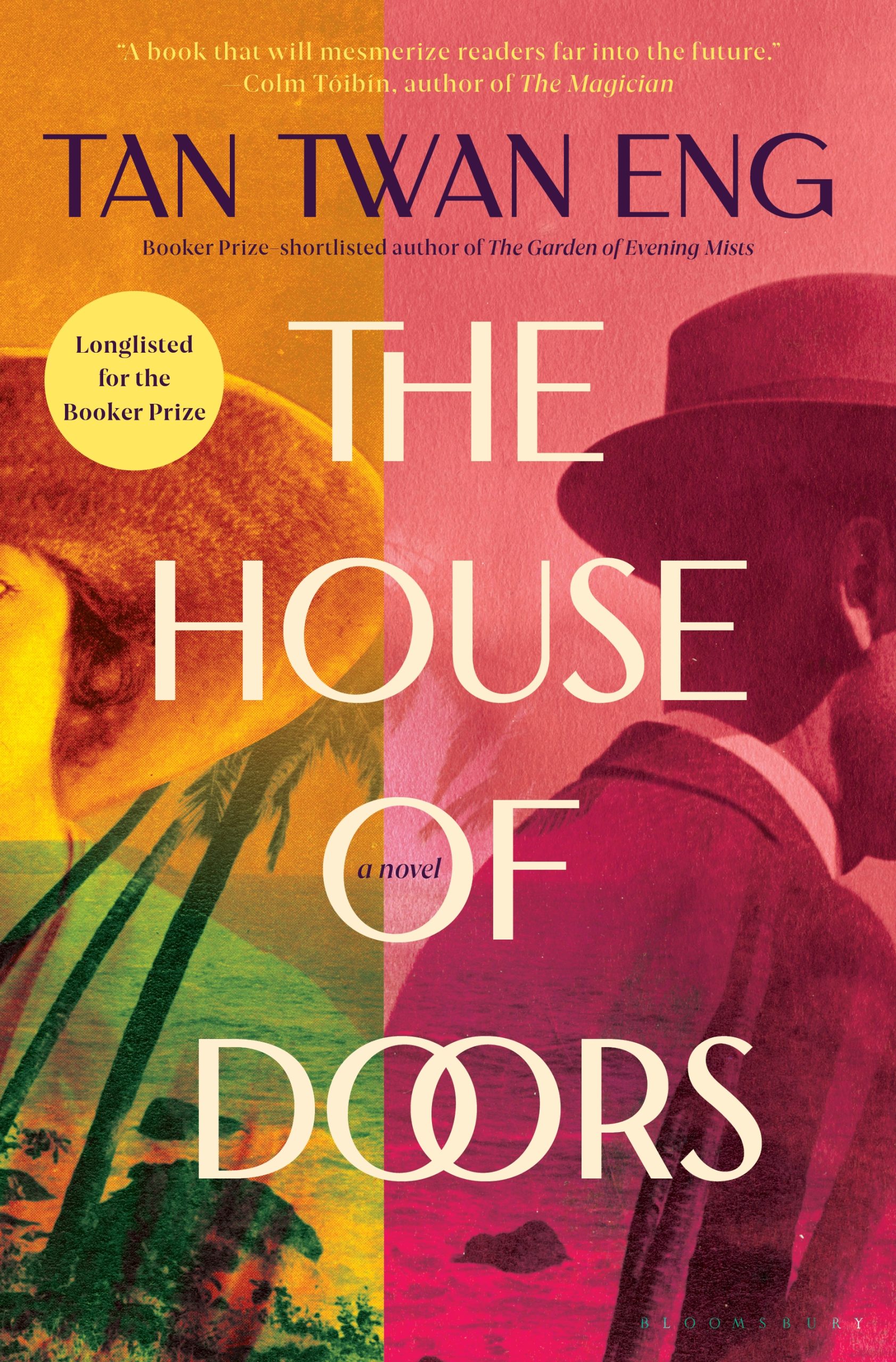
The House of Doors
The House of Doors by Tan Twan Eng is a Booker Prize-longlisted historical novel set in 1920s Penang. When famous author Somerset Maugham visits a couple, Lesley and Robert Hamlyn, to escape his failing health and finances, Lesley shares secrets about her past and her friendship with revolutionary Sun Yat-sen. It's a tale of betrayal, love, and secrets.
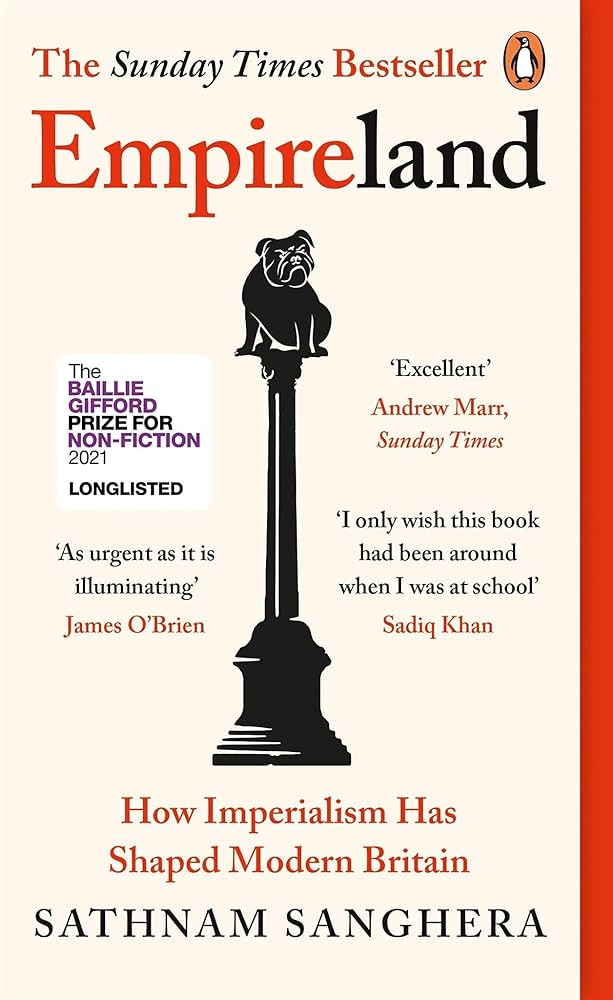
Empireland: How Imperialism Has Shaped Modern Britain
Empireland: How Imperialism Has Shaped Modern Britain by Sathnam Sanghera is a critically acclaimed 2021 book exploring the profound, often hidden, impact of the British Empire on modern British society, culture, and politics. It examines themes of national identity, racism, and nostalgia, arguing that understanding this past is crucial to understanding the present.